Bangalore: Where India's Heritage Meets Its Future
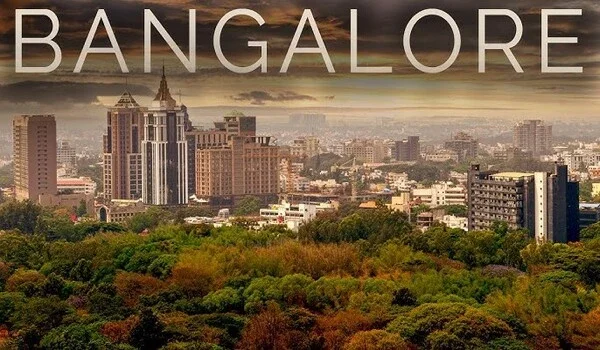

Featured Image of Bangalore Where Indias Heritage Meets Its Future

Bangalore is the primary tech and residential capital of India․ Officially renamed Bengaluru in 2014‚ it is the third most populous city in the country and the economic heart of South India․ The city is world-famous for its $359․9 billion GDP and its role as the global hub for 25‚000+ IT companies․ People choose to live here because it offers the perfect mix of a high-paying job market‚ a cool 22°C average climate‚ and a modern cosmopolitan lifestyle that no other Indian city can match․

Bangalore by the Numbers


If you are looking for a quick snapshot of the city in 2026‚ here are the essential facts․

Feature The Ground Reality
Population ~14․4 Million inhabitants (Metro area)
Elevation 920 m (The highest major city in India)
Climate Tropical savanna — Pleasant 22°C average
Languages Kannada‚ English‚ Tamil‚ Telugu‚ and Hindi
Airport Kempegowda International (BLR) — 3rd busiest in India
Metro 96․1 km operational (Purple‚ Green‚ and Yellow lines)

A Brief History: From Mud Fort to Silicon Powerhouse


Bangalore was officially founded in 1537 by Kempe Gowda I‚ who built a mud fort to establish the city as a center of commerce․ Over the centuries‚ the city evolved through the eras of the Mughals and Tipu Sultan before becoming a British cantonment in 1809․ The real transformation happened in the late 1980s when the IT revolution began․ This turned a quiet "Pensioner's Paradise" into the Silicon Valley of India‚ which now handles 40% of India's IT exports

The Bangalore Lifestyle: Why Millions Move Here


The main reason people move to Bangalore is the climate․ Because it sits at 920 meters elevation‚ the weather stays mild year-round‚ avoiding the extreme heat of the north or the humidity of the coast․ Beyond the weather‚ the city is known as the "Pub Capital of India" with a massive craft beer and cafe culture․ It is a city that loves its parks‚ like Cubbon Park‚ but also leads the country in modern trends‚ being named India's most vegan-friendly city by PETA․.

The Economic Engine: Why Bangalore Leads India


Bangalore outperforms every other Indian city because of its diversified economy․ While it is the IT hub of the world with giants like Google and Microsoft‚ it is also the "Biotech Capital of India" and the center for Aerospace and Defence (HAL and ISRO)․ The city generates $64 billion in IT exports annually and hosts 87 Fortune 500 companies․ This massive concentration of wealth has led to the city having the 3rd-highest count of HNIs in India.

Real Estate in 2026: The Investor's View


The Bangalore real estate market is currently the most rewarding in India for long-term gains․ Knight Frank ranks the city 4th globally for prime housing appreciation‚ with prices projected to grow by 6–10% in 2026․ While central areas are expensive‚ the real growth is happening in the East Bangalore corridor․ This region accounts for 57% of all new launches because of its proximity to the tech parks and the airport․

Why East Bangalore is the New Growth Frontier


Investors are moving to the East because areas like Hoskote have seen 115% appreciation in just five years․ This is due to massive projects like the Satellite Town Ring Road (STRR) and the Bangalore-Chennai Expressway․ Landmark integrated townships like Sobha One Residences are being built here because this zone offers the best balance of luxury living and future ROI.

Bangalore for NRIs: The 2026 Opportunity


Bangalore is the #1 choice for NRI investors in India because it feels familiar and offers global-standard infrastructure․ With the INR at ~₹90/USD‚ NRIs have massive purchasing power right now․ The city's international schools‚ direct flights from BLR Airport‚ and safe‚ gated communities like those from Sobha Limited make it the perfect place for families returning from abroad․

Connectivity and Infrastructure Upgrades


Everyone grouses about traffic‚ but the 2026 infrastructure is a massive upgrade․ The Namma Metro network has reached 96․1 km‚ and the Blue Line Airport Metro is set for December 2026․ Combined with the STRR and the Suburban Rail Project‚ commuting to peripheral areas like Hoskote is becoming much faster and easier for residents․

Looking Ahead: Bangalore in 2030


By 2030‚ Bangalore will be a megacity of over 14 million people with a metro network that has nearly doubled in size․ The market remains structurally strong because it is driven by actual residents and the continuous arrival of Global Capability Centres (GCCs)․ Investing in the city's growth corridors today is a decision that will pay forward for the next two decades․

Sobha Limited Prelaunch Project is Sobha One Residences.

FAQs


1. Why is Bangalore called the Silicon Valley of India?

It is called the Silicon Valley because it handles 40% of India's IT exports and houses over 2,000 IT firms and 13,000+ startups.. It is one of the top 5 fastest-growing tech hubs in the world.

2. Is Bangalore a good city for families to live in?

Yes, it is one of the safest and most pleasant cities for families. It offers India's best climate (22°C year-round), world-class international schools, and top-tier hospitals like Manipal and Aster.

3. Is Bangalore real estate a good investment in 2026?

Yes. Bangalore real estate is a top-tier investment with projected 6–10% growth this year. Peripheral zones like Hoskote have seen 115% appreciation over the last five years.

4. Which areas in Bangalore are best for NRI investment?

East Bangalore (Whitefield and Hoskote) and North Bangalore (Devanahalli) are the top picks for NRIs because of their proximity to the Airport and Tech Corridors.

5. Can NRIs buy property in Bangalore easily?

Yes. Under FEMA, NRIs can buy residential and commercial property without RBI approval. Banks in India also provide home loans up to 90% LTV for NRI buyers.

6. What makes Hoskote a major growth area?

Hoskote is booming because of its location on the NH-75, the completion of the STRR, and the Bangalore-Chennai Expressway, which cuts travel time to just 3 hours.

7. How is Bangalore connected to the rest of the world?

The city is connected via the Kempegowda International Airport (BLR), which handles 37M+ passengers and offers direct flights to the US, UK, Europe, and the Gulf.

8. Ready to secure your future?

Explore the 48-acre integrated lifestyle at Sobha One Residences in the city's fastest-growing corridor and book your site visit today!

Enquiry
Enquire Now